
On well-meaning posts, erased history, and why the receipt still matters.
A continuing series on why politics are personal
By: Miss-Information
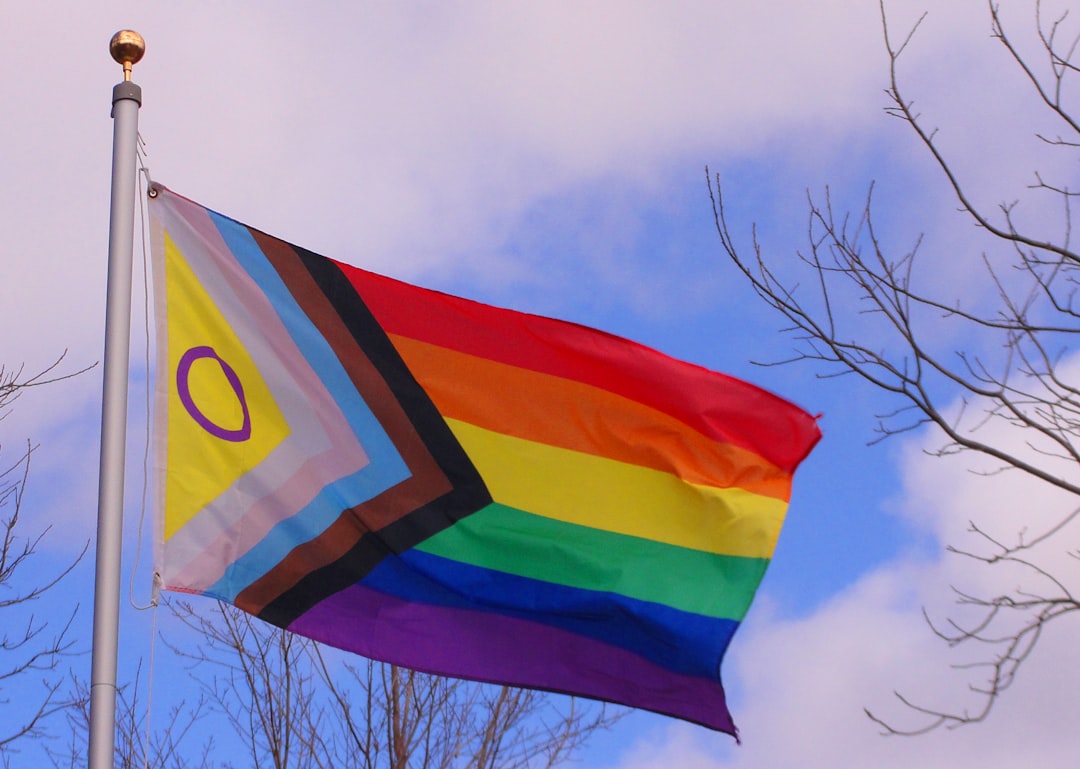
I’ve seen the post. You probably have too. It makes the rounds every June like clockwork, and every year it’s written by someone who I hope genuinely means well. It goes something like this:
I believe every person deserves dignity and respect. I believe character matters more than identity. Pride and self-acceptance shouldn’t be limited to one month. We move forward through shared humanity, not labels.
It’s warm. It’s careful. It sounds like something you’d cross-stitch on a pillow.
And almost every line of it is doing quiet, specific work to undermine the reason any of these months exist in the first place.
Let me explain what I mean.
“Character matters, not identity.”
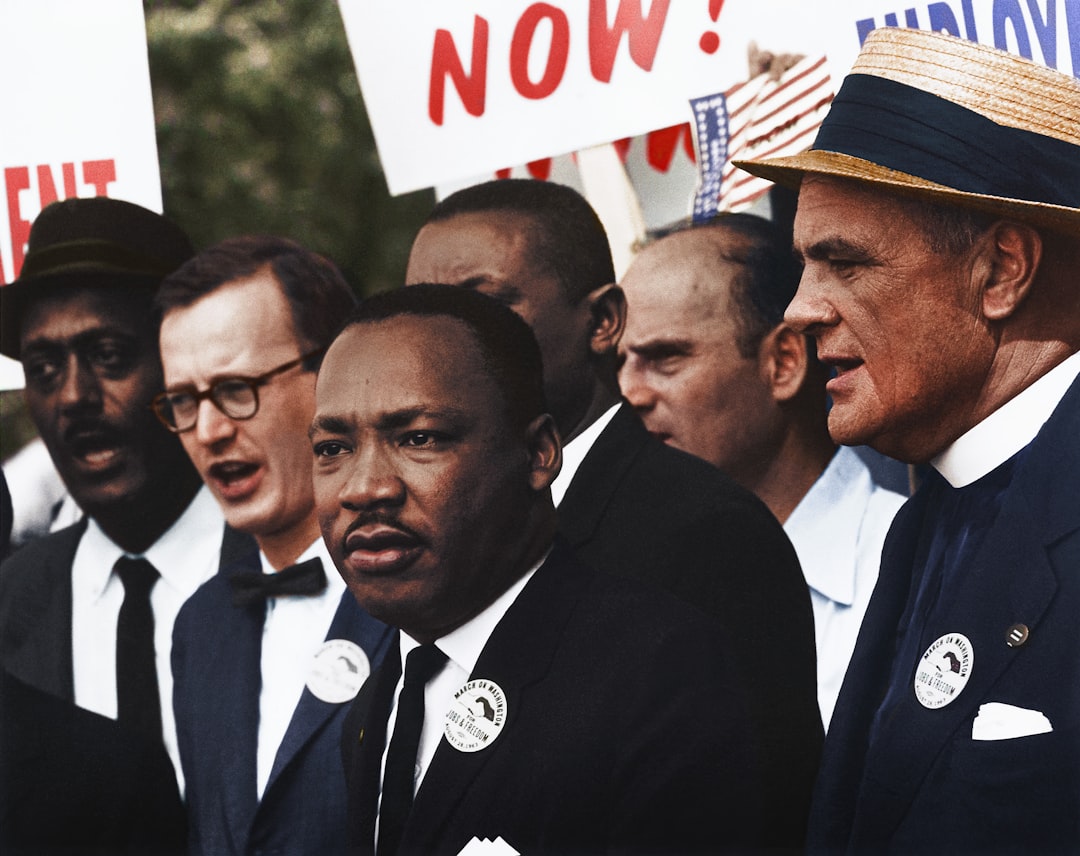
This one borrows from Dr. King without doing the reading. The “content of their character” line gets pulled out every single June, stripped of its context, and used to argue that naming identity is itself the problem.
Dr. King also said that the white moderate was a greater obstacle to freedom than the outright racist — specifically because the white moderate preferred order over justice and kept asking people to wait. He was not arguing that systemic racism didn’t exist. He was arguing it needed to be dismantled urgently.
Your character doesn’t protect you from a discriminatory landlord. It doesn’t keep you from getting fired when someone clocks you as gay, or not getting hired at all because of your disablity. It doesn’t stop a cop from making assumptions before you’ve said a word. Systems don’t discriminate based on who you are as a person. They discriminate based on what they can see. Pretending otherwise doesn’t make you colorblind. It makes you blind.
“Pride should be every month, not just one.”
This is the “why isn’t there a straight pride parade” argument in a cardigan.
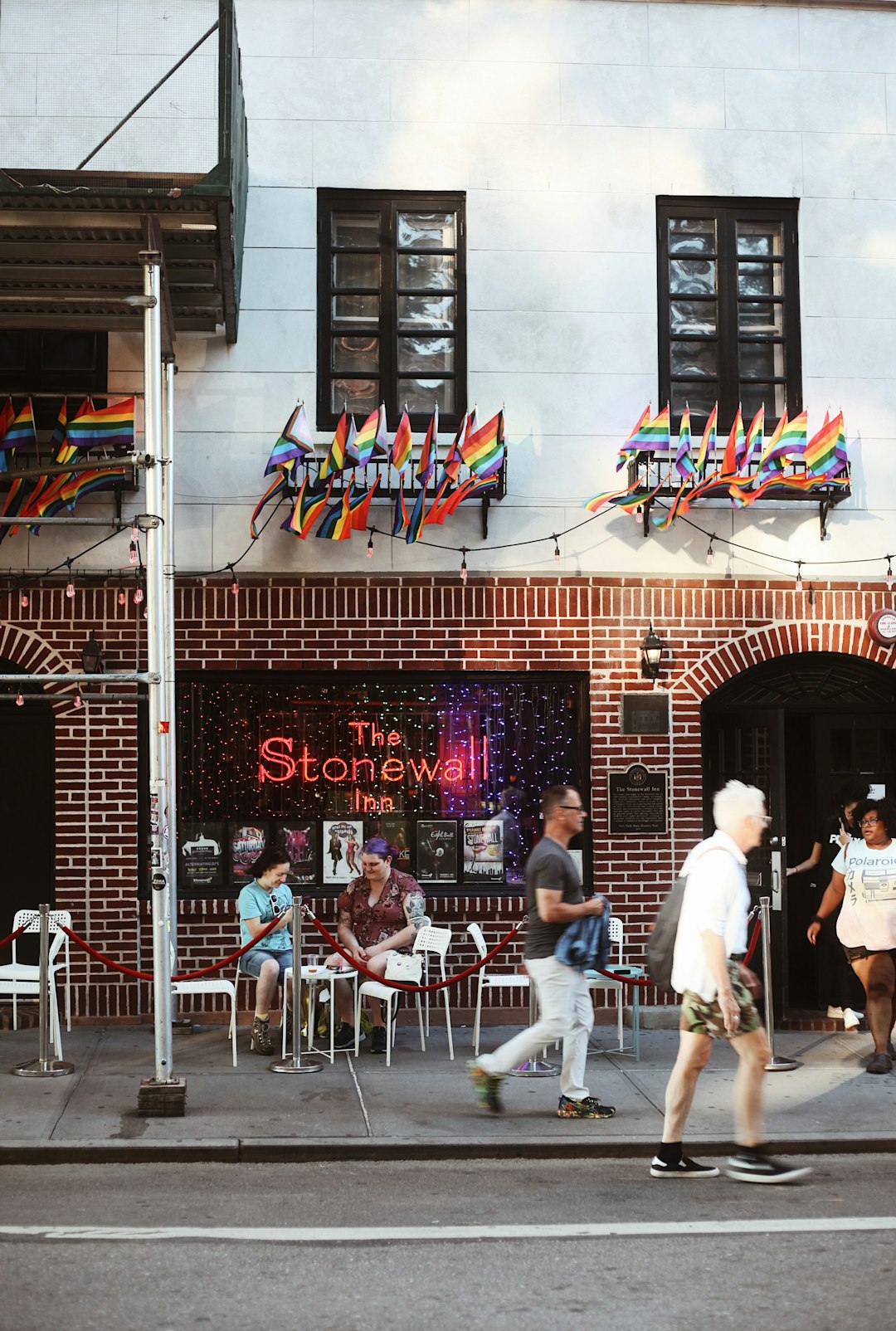
Pride Month exists because in June 1969, police raided a bar in Greenwich Village called the Stonewall Inn — one of the few places queer people could exist in public without being arrested — and the people inside fought back. It wasn’t a celebration. It was a rebellion. The crowd that night included trans women like Marsha P. Johnson and Sylvia Rivera, drag kings like Stormé DeLarverie — a Black, self-described butch lesbian who preferred the word “rebellion” because she said riot implied criminality — and queer and gender-nonconforming people of every description who had simply had enough. The Smithsonian later mounted an entire exhibit called “Stormé at Stonewall” specifically because history kept leaving her out. That exhibit is itself the point.
The first Pride marches were held a year later, on the anniversary of that uprising.
So when someone says “pride should be every month,” what they’re actually saying — without meaning to, maybe — is that the specific history of that rebellion, those people, that bar, and what it cost them to exist, doesn’t need dedicated acknowledgment. That we can just fold it into the general category of human dignity and move on.
We can’t. Because it keeps happening. Because in most states you can still be fired for being gay. Because trans people are being legislated out of existence right now, in real time, in this country. The month isn’t a party favor. It’s a marker that says: this happened, it’s still happening, and we are not going to let you forget it.
Stormé called it a rebellion. She was right then. The word still fits.
You may have seen the slogan: “The first Pride was a riot.” It’s everywhere in June, and it’s not wrong — it captures something real about where this all started, and there’s even a pun built into it. A riot as in chaos. A riot as in a blast. Taking a word used to criminalize them and spinning it into something joyful. That’s a tradition as old as the movement itself.
But slogans travel faster than the full story. Stormé DeLarverie was there. She called it a rebellion — a civil rights uprising — and she spent the rest of her life correcting people who called it a riot. She died in 2014 at 93. The Smithsonian had to mount a dedicated exhibit just to get her name into the narrative.
If the slogan erased her, imagine what the silence did.
“Focus on bridge-builders, not those who will never change.”
Translation: stop being so loud.
This framing takes the burden of discrimination — which belongs to the people doing it and the systems enabling it — and places it on the people experiencing it. It says: your advocacy is creating division. It says: you’d make more progress if you were quieter, more palatable, more focused on winning over the middle.
The ADA didn’t pass because disabled activists built bridges with people who preferred not to think about disability. It passed in 1990 because on March 12th of that year, over a thousand disability rights activists marched from the White House to the U.S. Capitol — and more than sixty of them abandoned their wheelchairs and crutches and crawled up all 83 stone steps of the Capitol building on national television. Among them was Jennifer Keelan-Chaffins, an 8-year-old girl from Michigan with cerebral palsy, who pulled herself up those steps declaring “I’ll take all night if I have to.”
Four months later, President Bush signed the ADA into law.
They were not quiet. They were not focused on those willing to listen. They made people who wanted to look away unable to do so. An 8-year-old dragging herself up 83 steps did more for disability rights than a thousand well-meaning posts about shared humanity ever could.
That’s not division. That’s how change actually happens.
“Shared humanity, not labels.”
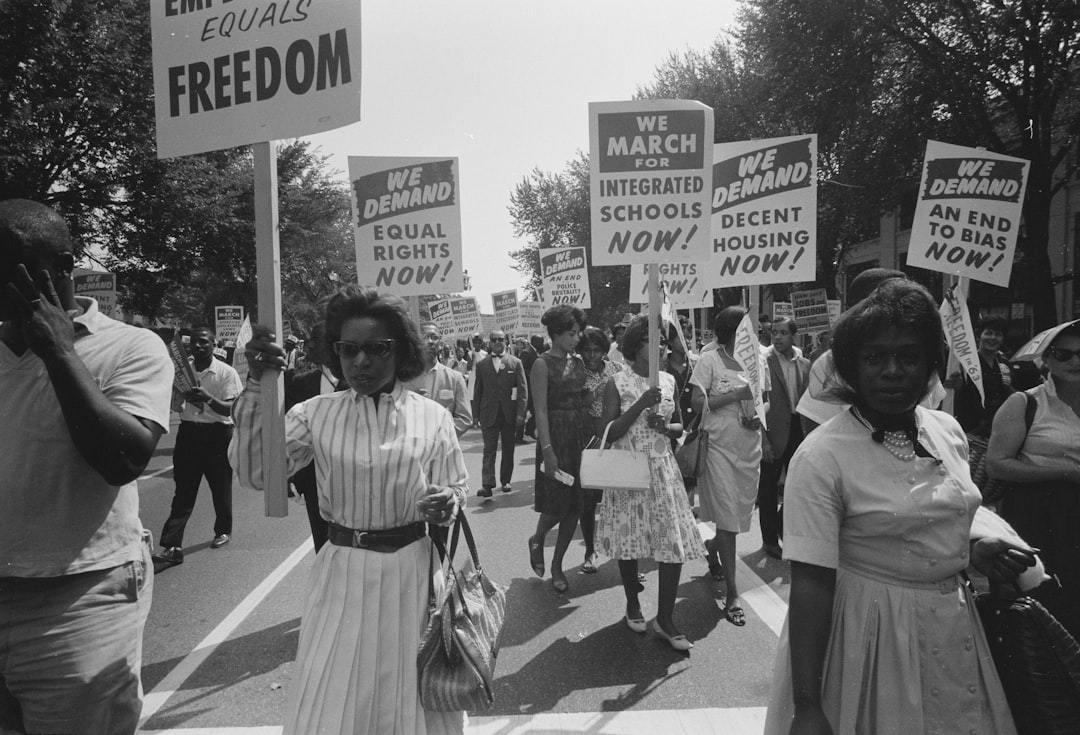
Here’s the thing about “I don’t see labels.” If you don’t see the label, you don’t see the system operating on it. You can’t fight what you refuse to name.
Black History Month exists because Carter G. Woodson created Negro History Week in 1926 specifically because Black history was being systematically excluded from schools, textbooks, and the official American story. The month isn’t saying Black people are defined by their Blackness. It’s saying: someone decided this history didn’t count, and we are correcting that record.
Hispanic Heritage Month. Women’s History Month. AAPI Heritage Month. Every single one of them exists as a correction — not a celebration of difference for its own sake, but an acknowledgment that the dominant record left something out on purpose, and that the leaving out had consequences for real people.
These months are receipts.

And then there’s July.
Disability Pride Month. Coming up in one week, tied to the anniversary of the ADA being signed on July 26, 1990. The theme this year: The World Works Better With Us.
The Disability Pride flag was designed by Ann Magill, a disabled woman, with input from across the community. The black background honors those lost to ableism — through illness, negligence, suicide, and eugenics. Not metaphorically. Literally. The stripes represent the spectrum of disabilities: physical, cognitive, sensory, psychiatric, chronic.
I have a disability. Several, actually. I’m apparently collecting them like Pokémon.
Vertigo. Fibromyalgia. Autonomic dysfunction. Degenerative disc disease. Degenerative joint disease. Hypermobile Ehlers-Danlos Syndrome. Osteoarthritis throughout. Disc protrusions from L3 to S1. My neck was flagged as at severe risk for disability back in 2019. My back is listed as disabled. And that’s before we get to the mental side — depression, anxiety, C-PTSD, Possible ADD (just tested waiting for results.”)
My service dog Shamrock is a Saint Bernard who assists with my balance and mobility. We live in a van together — not because I chose van life as an aesthetic, but because the safety nets that were supposed to catch me had holes too big to hold me. Too much red tape. A system so bogged down it could barely function before, and is only about to get worse.
I am Disability Pride Month. Not as a symbol. As a person who needed the systems this country built and found out the hard way what happens when those systems fail.
So when someone tells me these months are about labels, that we should focus on shared humanity instead — I think about what “shared humanity” looked like when I needed it most. I think about the red tape. I think about the holes.
Shared humanity that doesn’t show up when it counts isn’t humanity. It’s a sentiment.

And since we’re here, let’s address the other one.
Because every June, right on schedule, someone responds to Pride Month with: “We shouldn’t have a Pride Month — we should have a Veterans Month instead.”
First: we do. November is Veterans Month. There’s also Armed Forces Day, Memorial Day, Veterans Day, Military Spouse Appreciation Day, Gold Star Families Day, POW/MIA Recognition Day, and separate observances for different branches of service. The military is, arguably, the most commemorated institution in American public life.
Second: veterans are not a talking point. They are people. Using them as a rhetorical shield to avoid engaging with Pride Month doesn’t honor them — it just borrows their dignity to avoid an uncomfortable conversation.
If you actually care about veterans, show up in November. Show up every day in between. Don’t show up in June to use them as a reason to dismiss someone else.
These months are not in competition. There’s room for all of it. The calendar has 365 days. We’re not running out.
Here’s what “shared humanity” actually requires.
It requires knowing the history. It requires understanding that these months didn’t appear out of nowhere — they were built by people who were tired of being erased and decided to take up space anyway. It requires recognizing that “I see you as a human being” means nothing if you refuse to see the specific ways systems have targeted that human being’s specific body, identity, or community.
You don’t have to agree with every approach. You don’t have to show up to every march. But if your response to Pride Month, to Black History Month, to Disability Pride Month, is to post something about shared humanity and character mattering more than identity — you are not being neutral.
You are telling people whose history was deliberately erased that the erasure is fine with you, actually, as long as everyone is nice about it.
And I hope you mean well. That’s the hardest part. You genuinely, truly, hopefully mean well.
But meaning well has never once been enough.
This piece is written in honor of Pride Month, and in anticipation of Disability Pride Month coming up in July — and every heritage month, cultural month, awareness month, and hard-won recognition that someone had to fight to put on the calendar.
They didn’t create these months because they wanted to divide us.
They created them because someone tried to erase them first.
We keep fighting to have them. We keep fighting to keep them. And we will keep fighting — not because we want a month on a calendar, but because what the month represents isn’t finished yet.
Not even close.
—
A continuing series on why politics are personal | By Miss-Information
SOURCES & FURTHER READING
Stonewall & Stormé DeLarverie
— Legacy Project Chicago: legacyprojectchicago.org
— Facing History & Ourselves: facinghistory.org
— National Parks Conservation Association: npca.org
— Stonewall Rebellion Veterans Association: stonewallvets.org
Jennifer Keelan-Chaffins & The Capitol Crawl
— A Mighty Girl: amightygirl.com
— JKC Legacy: jkclegacy.com
Carter G. Woodson & Black History Month
— Association for the Study of African American Life and History (ASALH): asalh.org
Disability Pride Month & The ADA
— The Arc: thearc.org
— ABLEnow: ablenow.com
— ADA National Network: adata.org
Disability Pride Flag
— Ann Magill / community design: referenced via thearc.org and ablenow.com
Marsha P. Johnson & Sylvia Rivera
— The Marsha P. Johnson Institute: marshap.org
— GLBT Historical Society: glbthistory.org